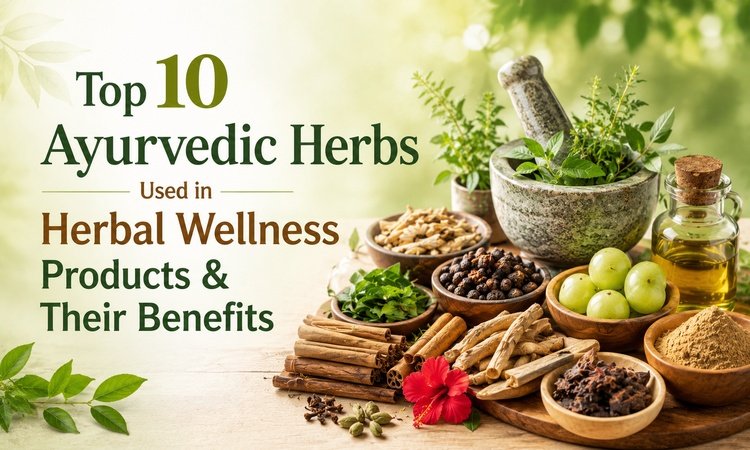
Top 10 Ayurvedic Herbs Used by a Herbal Tea Supplier in Herbal Wellness Products
Ayurveda has always valued plants and herbs for their natural role in supporting everyday wellness. Today, these traditional ingredients are becoming part of modern teas, wellness drinks, powders, and other Ayurvedic wellness products. A reliable herbal tea manufacturer carefully selects herbs based on their traditional uses, flavour, quality, and suitability for different formulations.
From tulsi and ginger to amla and turmeric, each herb offers unique properties that can complement a balanced lifestyle. Modern herbal wellness products often combine these ingredients to create convenient daily options for digestion, hydration, relaxation, and general wellbeing. Understanding the benefits of these herbs can also help consumers make more informed choices when selecting herbal tea online India or other ayurvedic health and wellness products.
10 Ayurvedic Herbs Commonly Used in Herbal Wellness Products
1. Tulsi
Tulsi, also known as holy basil, is one of the most popular Ayurvedic herbs. Traditionally valued for its calming and refreshing properties, it is commonly used in ayurvedic herbal tea blends. Tulsi can make a soothing Ayurvedic Daily Ritual and is often combined with ginger, cinnamon, or lemongrass.
2. Ginger
Ginger is widely recognised for its warming character and traditional digestive benefits. It is frequently included in herbal teas consumed after meals. Ginger-based blends may be a practical choice for people looking for the best herbal tea for digestive health while also enjoying a naturally spicy flavour.
3. Turmeric
Turmeric is traditionally appreciated for its antioxidant properties and is a familiar ingredient in Indian kitchens. Its earthy flavour makes it suitable for wellness drinks and specialised tea blends. Turmeric is also frequently combined with ginger and black pepper in Ayurvedic formulations.
4. Amla
Amla, or Indian gooseberry, is valued in Ayurveda for its nutritional and antioxidant profile. It is commonly used in wellness formulations aimed at supporting overall vitality. Amla can be blended into teas and other Ayurvedic wellness products for a distinctive tangy taste.
5. Ashwagandha
Ashwagandha is traditionally used in Ayurveda as a rejuvenating herb and is often associated with stress and vitality support. It is found in various wellness formulations, although concentrated products should be used thoughtfully, particularly by people taking medicines or managing health conditions.
6. Brahmi
Brahmi is traditionally associated with mental clarity, concentration, and calmness. It is often included in wellness blends designed for a relaxed daily routine. When combined with mild herbs, Brahmi can add both traditional value and a distinctive herbal character to a formulation.
7. Fennel
Fennel seeds are widely used in Indian households after meals. Their naturally sweet and aromatic flavour makes them particularly suitable for digestive herbal teas. Fennel is commonly paired with cumin, ginger, or coriander in blends designed for everyday digestive comfort.
8. Cinnamon
Cinnamon adds a naturally sweet, warming flavour to herbal beverages. It is frequently combined with other herbs and spices to create comforting wellness drinks. Its familiar taste also makes it useful in blends intended for people who prefer flavourful alternatives to conventional tea.
9. Neem
Neem has a long history of traditional use in Ayurveda and is often associated with cleansing and skin wellness. Because of its naturally bitter taste, it is generally used as part of carefully balanced formulations rather than as a standalone everyday beverage.
10. Triphala
Triphala is a traditional Ayurvedic combination of three fruits: amla, haritaki, and bibhitaki. It is particularly known for its traditional connection with digestive wellness and regularity. Its inclusion in herbal formulations reflects Ayurveda’s emphasis on balanced, long-term wellness practices.
How These Herbs Support Herbal Wellness Products
The value of an herbal formulation often comes from combining suitable ingredients rather than relying on a single herb. A good herbal tea supplier considers flavour, ingredient quality, formulation purpose, and consumer preferences while developing products.
For example, ginger and fennel can create a digestive-focused blend, while tulsi and cinnamon can provide a warming everyday beverage. Similarly, amla and turmeric may be selected for formulations focused on antioxidant-rich ingredients.
It is important to remember that terms such as “detox” should not be interpreted as a medical cure. The liver and kidneys naturally perform the body’s detoxification processes. An ayurvedic detox tea can instead be viewed as a supportive wellness beverage that complements healthy eating, hydration, sleep, and regular physical activity.
Choosing the Right Herbal Tea
When selecting the best organic herbal tea, consumers should look beyond attractive packaging and marketing claims. Check the ingredient list, sourcing information, preparation instructions, and quality standards.
People looking for a liver-focused beverage may search for liver detox herbal tea or the best herbal tea for liver detox. However, such products should be considered part of a healthy lifestyle rather than a replacement for medical treatment.
Likewise, those searching for organic green tea for weight loss or a balance drink for weight loss should remember that no tea alone causes sustainable weight loss. A balanced diet and regular movement remain essential.
Why Choose Quality Herbal Tea Suppliers?
Reliable herbal tea suppliers focus on consistent raw-material quality, hygienic processing, appropriate storage, and transparent formulation. Whether consumers want to buy herbal tea online or choose products from a local store, product quality plays an important role in the overall experience.
A trusted herbal tea manufacturer can also develop blends according to specific wellness needs, flavour preferences, and formulation requirements. This makes herbal beverages more convenient for modern consumers seeking simple additions to their daily routines.
Conclusion
The growing popularity of Ayurvedic wellness products reflects a renewed interest in traditional herbs and everyday natural wellness practices. Tulsi, ginger, turmeric, amla, ashwagandha, Brahmi, fennel, cinnamon, neem, and Triphala each have a distinct place in traditional Ayurveda and modern herbal formulations. Choosing responsibly formulated products from dependable herbal tea suppliers can make it easier to include these ingredients in a convenient daily routine. Aarth Herbal focuses on bringing the traditional value of herbs into thoughtfully developed wellness products for modern lifestyles.
FAQs
1. What herbs are commonly used in Ayurvedic herbal tea?
Tulsi, ginger, fennel, cinnamon, turmeric, amla, and Brahmi are commonly used in Ayurvedic herbal tea blends because of their traditional wellness applications.
2. What is the best ayurvedic tea in India?
The best ayurvedic tea in India depends on your preferences and wellness goals. Always check the ingredients, quality, and formulation before choosing a product.
3. Can herbal tea support digestion?
Yes. Traditional ingredients such as ginger, fennel, cumin, and Triphala are commonly used in herbal formulations intended to support digestive comfort.
4. Is ayurvedic detox tea a substitute for medical treatment?
No. Ayurvedic detox tea should be considered a wellness beverage, not a treatment for disease or a replacement for professional medical advice.
5. Can I buy herbal tea online?
Yes, consumers can buy herbal tea online after checking ingredients, quality information, preparation instructions, and the reputation of the seller or manufacturer.
6. What makes a good herbal tea manufacturer?
A good herbal tea manufacturer prioritises quality ingredients, hygienic processing, consistent formulations, proper storage, and clear product information.