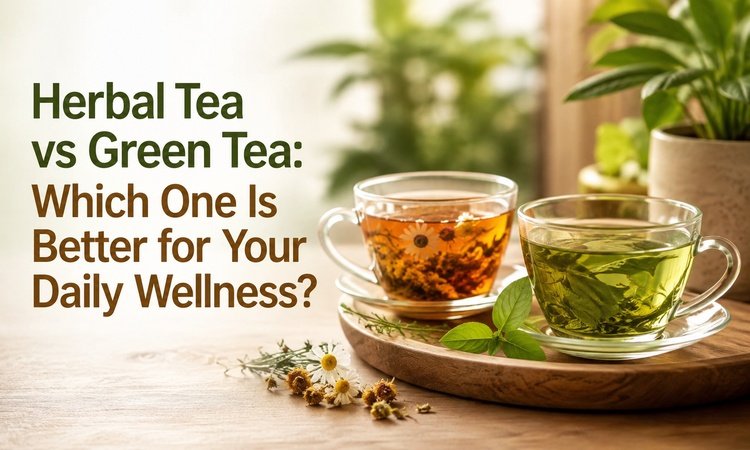
Herbal Tea vs Green Tea: Which One Is Better for Your Daily Wellness?
Choosing the right tea for your daily routine can be surprisingly confusing. Green tea is widely known for its antioxidants and natural caffeine, while herbal tea offers a wide range of plant-based blends made from herbs, flowers, roots, and spices. So, when it comes to everyday wellness, which one should you choose?
The answer depends on your personal goals, taste preferences, caffeine tolerance, and daily routine. Green tea may be a good choice when you want a refreshing beverage with naturally occurring catechins and some caffeine. Herbal tea, on the other hand, can provide a caffeine-free option with blends designed around different wellness preferences. Understanding these differences can help you build a simple and enjoyable Ayurvedic Daily Ritual with Aarth Herbal.
What Is the Difference Between Herbal Tea and Green Tea?
The biggest difference lies in their ingredients. Green tea is made from the leaves of the Camellia sinensis plant, the same plant used to make black and white tea. Herbal tea is generally made from other plants, including herbs, flowers, roots, fruits, and spices.
Green tea naturally contains caffeine and is particularly known for catechins, a group of plant compounds with antioxidant properties. Herbal teas vary considerably because their properties depend on the ingredients used in each blend.
Feature | Herbal Tea | Green Tea |
Main ingredients | Herbs, flowers, roots and spices | Camellia sinensis leaves |
Caffeine | Usually caffeine-free | Naturally contains caffeine |
Taste | Varies by blend | Fresh, earthy or slightly bitter |
Best suited for | Relaxation, digestion and caffeine-free routines | Morning refreshment and antioxidant intake |
Daily use | Depends on ingredients and individual needs | Suitable in moderation for many people |
Herbal Tea for Everyday Wellness
One of the biggest advantages of herbal tea is variety. A carefully formulated blend can become an easy addition to your morning, afternoon, or evening routine.
For people looking for a caffeine-free beverage, herbal tea can be especially convenient. Depending on the ingredients, blends may be chosen to complement preferences such as digestive comfort, relaxation, hydration, or a balanced daily routine.
For example, people searching for the best herbal tea for digestive health may prefer blends containing traditionally used herbs such as ginger or peppermint. Similarly, those looking for the best herbal tea for hydration can choose an unsweetened herbal infusion as an alternative to sugary beverages.
Aarth Herbal focuses on wellness-oriented formulations that can fit naturally into everyday routines. Whether you prefer an ayurvedic herbal tea or another botanical blend, the key is to choose quality ingredients and consume tea as part of an overall balanced lifestyle.
Why Green Tea Remains a Popular Wellness Choice
Green tea has been studied extensively because it contains polyphenols, including catechins such as EGCG. Research suggests that these compounds may contribute to green tea’s antioxidant and other potential wellness effects.
Green tea is also commonly associated with weight-management routines. However, it should not be considered a standalone solution for weight loss. Choosing unsweetened green tea instead of high-sugar beverages can be a practical dietary change, while healthy eating and regular physical activity remain essential.
People specifically looking for organic green tea for weight loss should therefore focus on product quality and realistic expectations rather than quick-fix claims.
Herbal Tea vs Green Tea: Which One Should You Choose?
There is no universal winner. Your choice should depend on what you want from your daily beverage.
Choose herbal tea if you:
- Prefer a naturally caffeine-free drink.
- Want more variety in flavours and ingredients.
- Enjoy incorporating herbs and botanicals into your daily routine.
- Prefer a soothing beverage later in the day.
- Are exploring Ayurvedic wellness products.
Choose green tea if you:
- Enjoy a lightly stimulating beverage.
- Want a tea naturally containing catechins.
- Prefer its fresh, slightly earthy flavour.
- Want an alternative to sugary drinks.
- Are comfortable consuming caffeine in moderation.
Green tea can contain meaningful amounts of caffeine, although the exact quantity varies by preparation. People who are sensitive to caffeine may therefore prefer herbal options, particularly later in the day.
What About Ayurvedic Detox Tea and Liver Detox Herbal Tea?
Terms such as ayurvedic detox tea and liver detox herbal tea are increasingly common in wellness products. However, “detox” should not be understood as a replacement for the body’s natural organs and processes.
If you are looking for the best herbal tea for liver detox, choose products based on transparent ingredients and responsible formulation rather than promises of rapid cleansing or treatment. Herbal beverages can complement a healthy routine, but they should not be presented as cures for liver disease or other medical conditions.
Similarly, an ayurvedic detox tea can be part of a mindful beverage routine, but a balanced diet, adequate sleep, hydration, movement, and professional medical advice when needed remain much more important for overall wellness.
How to Make Tea Part of Your Daily Wellness Routine
A simple tea routine does not need to be complicated. Try these practical habits:
- Choose an unsweetened tea that suits your taste.
- Drink it at a consistent time each day.
- Select caffeine-free herbal blends when you want to avoid caffeine.
- Avoid treating tea as a replacement for meals or adequate water.
- Combine your tea routine with nutritious food, movement, sleep, and stress management.
For people exploring ayurvedic health and wellness products, tea can become one small but enjoyable part of a broader approach to self-care.
Why Choose Aarth Herbal?
Finding reliable herbal tea suppliers is important when you want consistent quality and thoughtfully selected ingredients. Aarth Herbal offers wellness-focused tea options for consumers who want to make plant-based beverages part of their everyday lifestyle.
Whether you are exploring the best organic herbal tea, looking for herbal tea online India options, or simply want a convenient wellness beverage, choosing a product with clear ingredient information is a sensible first step. You can also explore Aarth Herbal’s range when you want to buy herbal tea online and build a personalised daily tea ritual.
Conclusion
So, herbal tea vs green tea—which is better for daily wellness? The better choice is ultimately the one that fits your individual needs and routine. Green tea provides naturally occurring catechins and caffeine, while herbal tea offers greater variety and many naturally caffeine-free options.
Instead of searching for one “perfect” tea, focus on choosing quality products and enjoying them consistently. Aarth Herbal makes it easier to explore herbal wellness beverages and create an Ayurvedic Daily Ritual that feels simple, practical, and enjoyable.
Ready to explore herbal wellness blends? Discover Aarth Herbal and find a tea that fits your everyday routine.
FAQs
1. Is herbal tea better than green tea?
Neither is universally better. Herbal tea is usually caffeine-free, while green tea contains caffeine and catechins. Your choice should depend on your preferences and wellness goals.
2. Can I drink herbal tea every day?
Many herbal teas can be enjoyed regularly, but ingredients differ between blends. Check the product instructions and consider professional advice if you have a medical condition or take medication.
3. Is green tea good for weight loss?
Green tea may complement a healthy weight-management routine, but it is not a standalone weight-loss solution. Diet, physical activity, sleep, and overall lifestyle remain important.
4. What is ayurvedic herbal tea?
Ayurvedic herbal tea generally refers to herbal blends inspired by Ayurvedic traditions and made using selected herbs and botanicals. Formulations can vary between products.
5. Is herbal tea caffeine-free?
Many herbal teas are naturally caffeine-free because they are not made from the Camellia sinensis tea plant. However, always check the ingredients before purchasing.
6. Can herbal tea replace water?
Herbal tea can contribute to fluid intake, especially when consumed without excessive sugar, but it should complement rather than completely replace regular water consumption.
7. What should I look for when buying herbal tea online?
Look for clear ingredient information, suitable formulations, quality standards, preparation instructions, and a trustworthy herbal tea manufacturer or supplier.
8. Can I include herbal tea in my daily wellness routine?
Yes. An unsweetened herbal infusion can be a simple addition to a balanced routine, especially when you enjoy the taste and choose a blend suited to your preferences.